Review: Family Dog Embroidery for Craft Fairs
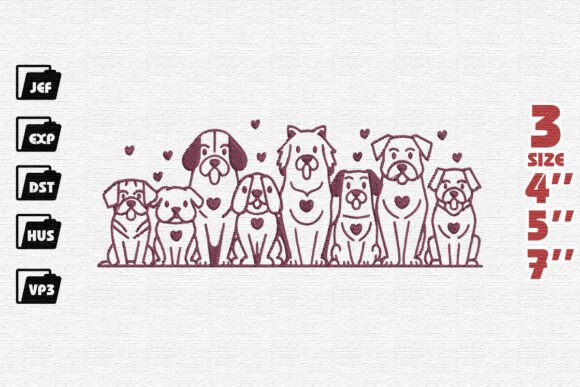
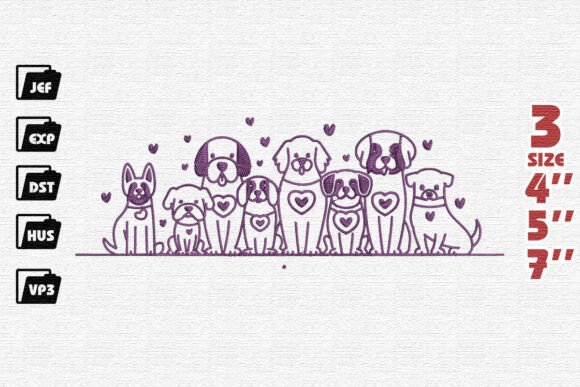
As an embroidery designer who has spent countless weekends standing behind booths at local markets, I have learned that product selection is everything. You need items that stop traffic, convey emotion instantly, and are practical to produce in batches. Recently, I tested the Family Dog Embroidery design to see if it holds up under the scrutiny of a busy craft fair environment. This heartwarming embroidery design featuring a lovable family dog silhouette or portrait is marketed toward pet lovers, but does it translate well into tangible handmade product success? Let’s break down its performance from a producer’s perspective.
First Impressions and Visual Appeal
The first thing I look for in a machine embroidery design is immediate readability. At a craft fair, customers walk by quickly. If they cannot understand the design from three feet away, they will keep walking. The Family Dog Embroidery excels here because it relies on recognizable silhouettes or clear portrait styles. It feels less like a generic clipart image and more like a personalized tribute. The mood is undeniably warm and inviting, fitting perfectly into the current trend of cozy, home-centric decor.
For Etsy seller accounts and boutique makers, this aesthetic bridges the gap between rustic farmhouse charm and modern minimalism. It is not overly cluttered, which means it avoids the "busy" look that can sometimes plague digital embroidery files. Instead, it offers a clean, decorative appeal that suggests premium quality without requiring hours of machine time.
Product Versatility and Market Fit
A great design must be versatile. I tested this pattern across several common craft fair product categories to determine where it shines brightest.
- Tote Bags: This is arguably the strongest application. A tote bag design needs to be bold and centered. The dog silhouette works beautifully on canvas totes, creating a statement piece that pet owners love to carry. It turns a utility item into a conversation starter.
- Aprons and Tea Towels: For kitchen-focused buyers, apron embroidery and tea towel embroidery are steady sellers. The design fits well on the bib of an apron or the corner of a linen towel. However, you must be mindful of fabric texture. On waffle-weave towels, ensure the stitch density is high enough to prevent the fabric from showing through the gaps.
- Embroidered Patches: Creating iron-on patches is a fantastic way to offer lower-priced items. The silhouette style translates perfectly to small formats, making it an ideal embroidered patch for jackets or backpacks.
- Caps and Headwear: While popular, caps are tricky. The curved surface distorts designs. If you use this on a cap, keep the size moderate and avoid intricate facial details that might bunch up during stitching.
Production Practicality for Small Shops
For any small shop product line, efficiency is key. You cannot spend forty-five minutes hooping and trimming a single item if you want to make a profit. The Family Dog Embroidery appears to be optimized for reasonable production times. Because it likely utilizes solid fills for silhouettes or balanced satin stitches for portraits, it avoids excessive jump stitches that waste thread and time.
When preparing for a weekend market, batch production is essential. This design allows you to hoop multiple items of the same type—like a set of five tote bags—and run them consecutively. This consistency helps maintain brand strength and ensures every finished product looks uniform and professional.
Technical Considerations and Careful-Use Notes
Even the best digital embroidery file requires careful handling. Here are specific technical points to consider before launching this into your inventory:
- Stitch Density: Check the density settings. If the design is too dense for lightweight fabrics like cotton tea towels, it may cause puckering. Always use the appropriate stabilizer to support the fabric.
- Thread Colors: Pet lovers are particular about breed accuracy. If the design allows for color changes, offer customization. However, for quick sales, stick to universal colors like black, brown, and white that represent many common breeds.
- Small Details: If the design includes tiny features like eyes or noses, test them at smaller sizes. Fine details can get lost or become fragile if scaled down too much for a small pouch or pocket.
- Dark Fabrics: Ensure you have high-contrast thread options. A dark brown dog on a navy blue bag might disappear. Use lighter threads or add a backing layer to make the design pop on dark materials.
Enhancing Customer Engagement
Beyond the stitching, how does this design help you sell? Emotional connection drives purchases in the Dogs category. People do not just buy a bag; they buy a celebration of their furry friend. The Family Dog Embroidery taps into this sentiment effectively. It feels personal, even if it is not customized with a name. This emotional hook increases perceived value, allowing you to price your commercial embroidery items higher than generic goods.
To maximize this effect, create a printable mockup or a physical display that shows the design in various contexts. Show the tote bag being used at a park, or the pillow on a cozy sofa. These design assets help customers visualize the product in their own lives, boosting buyer engagement both online and in person.
Designer Recommendations for Testing
Before committing to a large inventory, follow these steps to ensure quality control:
- Test on Scrap Fabric: Never run a new design directly on final stock. Use scraps of the exact fabric you intend to sell to check for puckering or thread breaks.
- Check Hoop Size Compatibility: Verify that the design fits your standard hoops. If it requires a large hoop, ensure your machine can handle it efficiently.
- Review Spacing: Look at the spacing between elements. Tight spacing can cause thread nesting, while wide spacing may leave too much fabric exposed.
- Confirm Licensing: Always read the license terms included with the embroidery file. Ensure you have rights for commercial embroidery sales before listing items on Etsy or at fairs.
In conclusion, the Family Dog Embroidery is a strong contender for any maker focusing on pet-themed goods. It balances aesthetic appeal with production practicality. By paying attention to fabric choices, stabilizer use, and display strategies, you can turn this simple design into a standout bestseller at your next market event. Remember, the goal is to create a handmade product that feels special and durable, encouraging customers to return for more.