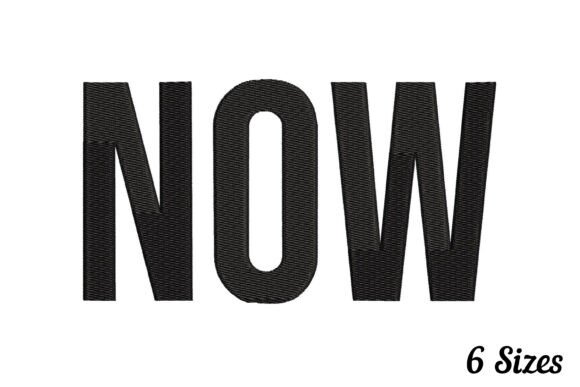
Reviewing Now Embroidery Design for Real Projects
As a designer who has spent countless hours digitizing and stitching out thousands of files, I have developed a keen eye for what works in the hoop and what looks good on paper but fails in thread. When I first loaded Now Embroidery Design into my software, I was looking for more than just aesthetic appeal. I wanted to know if this file could hold up under the pressure of real-world production. Whether you are an Etsy seller preparing for a holiday rush or a hobbyist making a personalized gift, the difference between a professional finish and a messy puckered mess often comes down to the quality of the digital embroidery file you choose.
First Impressions and Visual Personality
The immediate vibe of Now Embroidery Design is one of understated charm. It does not scream for attention with overly complex shading or excessive density. Instead, it offers a clean, approachable look that fits squarely into the Inspirational category without feeling cliché. The layout feels balanced, suggesting that the digitizer considered how the needle would travel across the fabric. For those of us who create handmade products, visual personality is crucial. This design carries a warmth that translates well to home decor and apparel alike.
I appreciate designs that leave room for interpretation. This piece allows the texture of the fabric to play a role in the final appearance. It is not so dense that it turns a soft cotton towel into a stiff board, nor is it so sparse that it lacks presence. It strikes a middle ground that is increasingly rare in the world of digital embroidery assets.
Real-World Application: The Tote Bag Test
To truly evaluate a machine embroidery design, you have to imagine it on a specific product. I recently worked on a custom order for a local boutique needing tote bag designs that felt artisanal yet durable. I considered using Now Embroidery Design for this project. Tote bags are unforgiving; they carry weight, they get washed, and they are handled roughly. A design that looks delicate on screen might disappear or distort when stitched onto canvas or heavy cotton.
In this scenario, the design’s structure held up well. The stitch paths appeared logical, minimizing jumps and trims that can weaken the integrity of the embroidered area. For an Etsy seller, this reliability is gold. You do not want to spend twenty minutes hooping and stitching only to have the customer return the item because the threads pulled out after one wash. The visual clarity of this design suggests it would remain legible and attractive even after repeated use, enhancing the perceived value of the finished product.
Fabric Considerations and Stitch Behavior
One of the most critical aspects of reviewing any embroidery file is understanding how it interacts with different materials. Now Embroidery Design seems versatile, but it requires thoughtful execution. On smooth fabrics like polished cotton or linen, the satin stitch elements should pop with a nice sheen. However, on textured fabrics like terry cloth towels or fluffy fleece, you must be cautious. The description mentions it is suitable for towels and pillows, which implies the digitizer may have accounted for some pile, but I always recommend testing on scrap fabric first.
If you are working with stretchy fabrics, such as those used for custom apparel or baby clothes, stabilizer choice becomes paramount. A design with moderate density like this one can still cause puckering if the fabric is not properly supported. I would pair this with a cut-away stabilizer for garments that need to retain their shape over time, or a tear-away for stable woven fabrics like aprons or pillow covers. Always check the stitch density in your software before hitting start. If the areas look too crowded, consider reducing the density slightly to prevent fabric distortion.
Commercial Viability and Brand Consistency
For small business owners and craft entrepreneurs, every design asset must serve a purpose. Does Now Embroidery Design fit your brand? If your shop focuses on minimalist, modern aesthetics, this piece might need to be scaled down or used as a subtle accent on a cap or pocket. If your brand is more rustic or cozy, it could take center stage on a large blanket or wall hanging.
From a commercial embroidery standpoint, speed matters. While I cannot verify the exact stitch count from the description alone, the visual simplicity suggests it will not tie up your machine for hours. This efficiency allows for better profit margins on items like sweatshirt embroidery or embroidered patches. Furthermore, the clean lines make it easier to create printable mockups for your online listings. A clear, crisp digital preview helps buyers visualize the final product, increasing buyer engagement and trust.
Technical Notes for the Serious Stitcher
Before you commit to a full production run, there are several practical steps you should take. First, confirm the available hoop sizes. The description notes that the file comes with multiple formats, which is standard, but always ensure the size matches your machine’s capabilities. Second, test thread color contrast. This design likely relies on the interplay between the thread and the background. Try it in black and white mockups to see if the details remain distinct. If the design loses definition in monochrome, it may rely too heavily on color shifts rather than structural stitching, which can be risky for single-color projects.
Also, pay attention to small details. Tiny lettering or intricate corners can be problematic if the stitch length is too long or the underlay is insufficient. Inspect these areas closely in your viewer. If you plan to use this on dark fabric, consider using a lighter thread or adding a backing layer to ensure the design stands out. For curved surfaces like caps, ensure the design is not too wide, as this can cause hooping difficulties and distortion.
Final Verdict on Now Embroidery Design
In the crowded marketplace of digital embroidery files, Now Embroidery Design stands out as a reliable, charming option for a variety of projects. It is not just a pretty picture; it is a functional tool for creators. Whether you are making holiday gifts, nursery decor, or boutique merchandise, this design offers the flexibility and professionalism needed for high-quality results. Just remember to respect the material you are stitching on. Use the right stabilizer, test your tension, and always verify licensing terms if you plan to sell the finished items. With careful handling, this file can become a staple in your library of trusted design assets.